
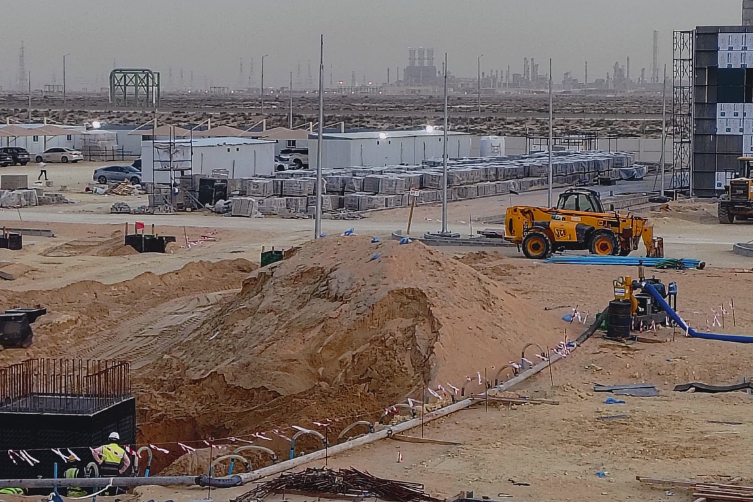
Construction projects often face one silent but expensive threat, groundwater intrusion. When not managed properly, it leads to excavation collapse, soil instability, delays, equipment damage, and even structural failure. This is where dewatering solutions play a critical role in ensuring safe and stable construction environments.
Across regions like the Middle East, especially in high groundwater zones such as Saudi Arabia, effective dewatering planning is not optional, it is essential for project success.
What is Dewatering in Construction?
Dewatering is the process of removing or controlling groundwater from construction sites to keep excavations dry and stable.
It is used in:
- Basement construction
- Road and bridge projects
- Tunnel excavation
- Foundation works
- Industrial plant construction
Common equipment includes:
- Dewatering pump
- Deep well dewatering system
- Wellpoint systems
- Submersible pumps
Why Dewatering Planning is Critical
Without proper planning, construction projects face:
- Excavation collapse due to soil weakening
- Delay in project timelines
- Equipment corrosion and breakdown
- Increased labor and operational costs
- Safety hazards for workers
In regions like Saudi Arabia, groundwater levels in coastal and industrial zones make dewatering pump hire and professional planning essential.
Real Industry Data: Impact of Poor Dewatering
| Problem Area | Impact Without Dewatering | Impact With Proper Dewatering |
| Project Delay | 15-40% timeline extension | On-time delivery |
| Excavation Stability | High collapse risk | Stable soil conditions |
| Cost Overrun | 20-35% increase | Controlled budget |
| Equipment Damage | Frequent breakdowns | Reduced wear & tear |
| Safety Incidents | High risk of accidents | Safer work environment |
Common Dewatering Solutions Used in Construction
1. Submersible Dewatering Pumps
Used for shallow to medium water removal in excavations and trenches.
2. Deep Well Dewatering System
Ideal for large-scale projects with high groundwater levels. Multiple wells are drilled and connected to pumps for continuous water extraction.
3. Wellpoint Systems
Best for sandy soil conditions and shallow excavations.
4. Surface Drainage Systems
Helps divert rainwater and surface runoff away from construction zones.
Dewatering Equipment Demand in Saudi Arabia
The demand for dewatering pumps Saudi Arabia has increased significantly due to rapid infrastructure growth in:
- NEOM mega projects
- Riyadh metro expansion
- Industrial city developments
- Coastal construction zones
Contractors often prefer pump hire Saudi Arabia instead of purchasing equipment due to:
- Lower upfront cost
- Flexibility for short-term projects
- Access to high-capacity industrial pumps
- Maintenance-free operations
Cost Comparison: Hire vs Purchase Dewatering Pumps
| Option | Initial Cost | Maintenance | Flexibility | Best For |
| Pump Hire Saudi Arabia | Low | Included | High | Short-term projects |
| Buying Pumps | High | Contractor responsibility | Low | Long-term industrial use |
| Dewatering Pump Hire Services | Medium | Managed by provider | High | Infrastructure projects |
Case Study: Highway Construction Project in Saudi Arabia
Project Overview
- Location: Eastern Province, Saudi Arabia
- Project Type: Highway expansion
- Challenge: High groundwater table causing excavation flooding
- Soil Type: Sandy and loose formation
Problem
Initial excavation faced continuous water seepage, leading to:
- 12-day project delay
- Machinery instability
- Safety risks for workers
Solution Implemented
The contractor deployed:
- Deep well dewatering system
- High-capacity dewatering pumps
- Continuous monitoring system
Results
- Water level reduced by 85% within 5 days
- Excavation stabilized completely
- Project resumed ahead of revised schedule
- Cost savings of approximately 18% on delay prevention
This highlights the importance of professional dewatering solutions in large-scale infrastructure projects.
Key Benefits of Proper Dewatering Planning
- Prevents structural failure in excavations
- Ensures soil stability during construction
- Reduces project delays and penalties
- Improves worker safety conditions
- Optimizes equipment performance
- Saves overall project cost
Best Practices for Dewatering Success
- Conduct groundwater analysis before excavation
- Select the right dewatering pump system
- Use professional dewatering pump hire services for flexibility
- Monitor water levels continuously
- Plan drainage discharge responsibly
- Adjust system based on soil and weather conditions
Conclusion
Poor groundwater management is one of the leading causes of construction delays and failures. With proper planning and the right dewatering solutions, contractors can ensure safer, faster, and more cost-efficient project execution.
Whether it’s dewatering pump hire, deep well dewatering systems, or large-scale dewatering solutions in Saudi Arabia, choosing the right strategy directly impacts project success.
Need Professional Dewatering Support?
Get reliable and high-performance dewatering pumps Saudi Arabia and expert project solutions tailored for your site.
Ensure stability. Reduce risk. Deliver on time.
Frequently Asked Questions
Dewatering is the process of removing groundwater from construction sites to keep excavations dry, stable, and safe during building activities.
It prevents soil collapse, delays, flooding, and structural instability, ensuring safe and efficient project execution.
Common solutions include submersible dewatering pumps, deep well dewatering systems, and wellpoint systems depending on soil and water conditions.
Yes, for most projects, dewatering pump hire is more cost-effective, flexible, and maintenance-free compared to purchasing equipment.
It is widely used in infrastructure projects such as highways, metro systems, coastal developments, and industrial construction zones.
It is a system that uses multiple deep wells with pumps to lower groundwater levels in large-scale excavation and construction projects.