
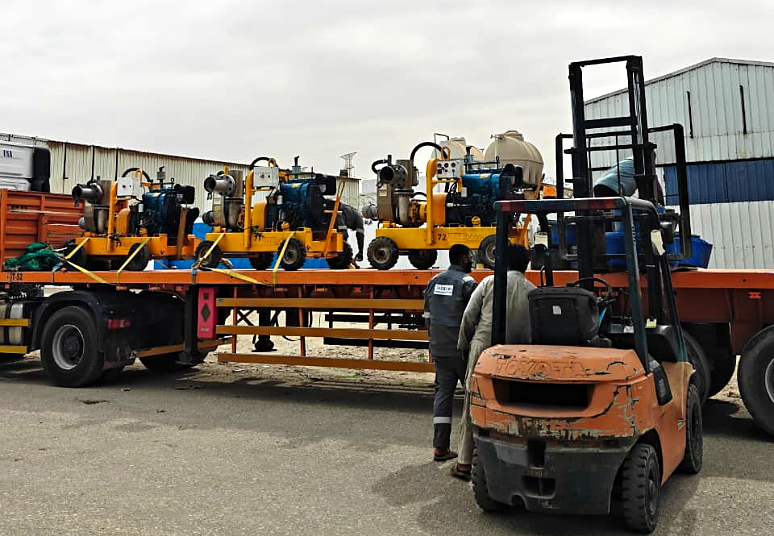
Water is one of the most disruptive forces on a construction or industrial site and here in Saudi Arabia, where projects range from deep foundation works in Riyadh to coastal developments along the Red Sea, controlling it effectively is non-negotiable. Rising groundwater, flash flooding, seepage, and site drainage issues can halt work, damage structures, and create serious safety hazards if not managed properly.
At Saeedcon Dewatering Solutions, groundwater control is what we do every day. This guide draws on that experience to walk you through what dewatering pumps do, the types available in the Saudi market, how groundwater control works on real projects, and everything you need to know about hiring, renting, or buying the right equipment.
What Is Dewatering and Why Does It Matter in Saudi Arabia?
Dewatering is the process of removing surface water or groundwater from a site typically an excavation, foundation pit, tunnel, or trench so that construction or maintenance work can proceed safely and on schedule.
While Saudi Arabia is largely arid, groundwater and water management challenges are still very real on job sites:
- High water tables in coastal cities like Jeddah, Dammam, and Khobar
- Flash flooding during seasonal rains, which can overwhelm low-lying sites within hours
- Deep excavation works for foundations, basements, and utility tunnels that intersect groundwater
- Large-scale giga-projects (NEOM, Red Sea developments, infrastructure works) requiring sustained groundwater control across huge footprints
- Marine and coastal construction, where seawater intrusion is a constant factor
Without proper dewatering, projects face delays, unstable excavation walls, equipment damage, and safety risks for workers. This is why groundwater control has become a standard line item in Saudi construction and infrastructure planning and why contractors across the Kingdom trust Saeedcon to get it right.
How Groundwater Control Works
Groundwater control typically involves one or more of the following approaches, depending on soil type, water table depth, and excavation size:
- Sump pumping – water is directed into a collection sump and pumped out, suited to smaller excavations with moderate inflow
- Wellpoint dewatering – a series of shallow wells with header pipes lower the water table across a wider excavation area before digging begins
- Deep well dewatering – used for larger or deeper excavations, where high-capacity pumps draw water from wells sunk below the excavation base
- Open pumping – direct pumping from the excavation itself, often combined with drainage channels
In nearly all these methods, the pump is the critical piece of equipment, its capacity, reliability, and solids-handling ability determine whether the dewatering plan actually works on site. Our team assesses each site individually to recommend the method and equipment best suited to your soil conditions and project timeline.
Types of Dewatering Pumps in Our Fleet
Submersible Pumps
Compact and quiet, submersible pumps operate underwater and are ideal for sumps, trenches, and confined spaces. Most models in our fleet can pass small solids and debris without clogging.
Diesel Dewatering Pumps
The workhorse of Saudi construction sites, diesel pumps are self-priming and don’t depend on grid power essential for remote desert locations and 24/7 continuous operation in high-heat, high-dust conditions. This is the backbone of our rental fleet.
Electric Dewatering Pumps
Where reliable power is available, electric pumps offer quieter operation, no emissions, and lower running costs, common on urban and indoor sites.
Automatic Pumps
Fitted with float switches, automatic pumps start and stop based on water levels, reducing the need for manual monitoring in sumps and stormwater collection points.
High-Capacity Pumps
For major infrastructure works, mining, and giga-projects, our high-capacity diesel units with large discharge diameters (6″–10″+) can move thousands of liters per minute, making them essential where standard pumps simply can’t keep pace with inflow.
Pump Hire vs. Buying: Which Makes Sense?
Most contractors face this decision at the start of every project. Here’s how the two options compare:
| Consideration | Hire/Rental | Purchase |
| Upfront cost | Low – pay for duration used | High —-full equipment cost |
| Maintenance | Handled by Saeedcon | Owner’s responsibility |
| Flexibility | Easy to scale up/down as needs change | Fixed capacity unless buying more units |
| Best for | Short-term, one-off, or variable projects | Ongoing, recurring, or long-term needs |
| Storage | Not required | Requires yard/storage space |
| Access to specialized equipment | High-capacity/diesel units available on demand | Requires capital investment |
For most short-to-medium-term projects, pump hiring from Saeedcon is the more practical and cost-effective route particularly for high-capacity or diesel units that would otherwise sit idle between jobs.
Why Contractors Choose Saeedcon for Pump Hire
- Full fleet coverage – submersible, diesel, electric, automatic, and high-capacity pumps, all maintained to a high standard
- Fast delivery across major Saudi hubs, minimizing site downtime
- Experienced technicians who assess your site and recommend the right pump, not just whatever’s available
- Transparent, itemized pricing – no hidden fuel, delivery, or accessory surcharges
- 24/7 emergency response for flash floods, burst lines, or unexpected water intrusion
Understanding Dewatering Pump Rental Costs
Rental pricing depends on several factors:
- Pump size and capacity – higher flow-rate units cost more per day
- Power source – diesel units often carry higher rates but eliminate the need for site power
- Rental duration – daily rates are highest; weekly and monthly rentals with Saeedcon offer better value
- Delivery distance – remote or giga-project sites may incur additional transport costs
- Accessories – hoses, fittings, and fuel are clearly itemized in every Saeedcon quote
We always provide a full breakdown up front, so you know exactly what you’re paying for before the pump reaches the site.
Emergency Dewatering Pump Hire
Flash floods and unexpected water intrusion don’t wait for convenient timing. Our emergency hire service is built around:
- 24/7 dispatch and phone support
- Rapid response, typically within hours of your call
- Pre-staged, ready-to-deploy equipment across our depots
- Experienced technicians who assess conditions on arrival and get pumps running fast
We recommend establishing a relationship with Saeedcon before an emergency hits so when water becomes a problem, help is already on the way.
How to Choose the Right Dewatering Pump
Our technical team helps every customer work through these factors before recommending equipment:
- Flow rate required (m³/hr) – how much water must be moved and how fast
- Total head/lift – vertical and friction distance water must travel to discharge
- Solids-handling capacity – the maximum debris size the pump can pass
- Power source – diesel for off-grid or remote sites, electric where power is accessible
- Water conditions – clean, silty, or heavily solid-laden water each need different pump designs
- Run-time needs – continuous 24/7 operation favors diesel and high-durability units
- Automation sites with fluctuating water levels benefit from automatic float-switch pumps
Undersizing a pump leads to slow dewatering and project delays; oversizing wastes fuel and increases costs unnecessarily. Share your site measurements, pit depth, expected inflow, and discharge distance with our team, and we’ll recommend the right fit.
Get in Touch with Saeedcon Dewatering Solutions
Whether you need a single submersible pump for a small trench, a diesel unit for a remote off-grid site, or emergency dewatering support after a flash flood, Saeedcon Dewatering Solutions has the fleet, the technical expertise, and the response times to keep your project moving.
Contact our team today for a site assessment and a transparent, no-surprises quote and let us handle the water, so you can focus on the build.
Frequently Added Questions
Dewatering pumps are used to remove groundwater, rainwater, seepage and other unwanted water from excavations, foundations, trenches, tunnels and industrial sites so work can proceed safely and efficiently.
Common options include submersible, diesel, electric, automatic and high-capacity dewatering pumps. The right type depends on flow rate, pumping head, water conditions, power availability and project duration.
The best pump depends on the site’s water inflow, excavation depth, discharge distance and water quality. Submersible pumps suit many trenches and sumps, while diesel and high-capacity pumps are often better for large or remote construction projects.
Groundwater control can involve sump pumping, wellpoint systems, deep well dewatering or open pumping. The selected method depends on soil conditions, groundwater levels, excavation depth and expected water inflow.
Rental is often practical for short-term, one-off or variable projects because it reduces upfront capital costs and eliminates much of the maintenance and storage burden. Purchasing may make more sense for contractors with frequent, long-term pumping requirements.
Rental costs vary according to pump capacity, power source, rental duration, transportation distance and accessories such as hoses and fittings. A site-specific quotation provides the most accurate cost.
Diesel dewatering pumps are useful for remote or off-grid sites where reliable electricity is unavailable. They are also suitable for demanding applications requiring extended or continuous pumping.
Consider the required flow rate, total pumping head, solids content, water conditions, available power, operating duration and whether automatic operation is required. Proper pump sizing helps prevent both inadequate dewatering and unnecessary operating costs.
Yes. Suitable dewatering pumps can remove accumulated water following flash floods, burst pipelines, heavy rainfall or unexpected groundwater intrusion. Emergency pump hire services can provide rapid equipment deployment when available.
The main methods include sump pumping, wellpoint dewatering, deep well dewatering and open pumping. Engineers select the method according to excavation characteristics, soil conditions, groundwater levels and expected inflow.