
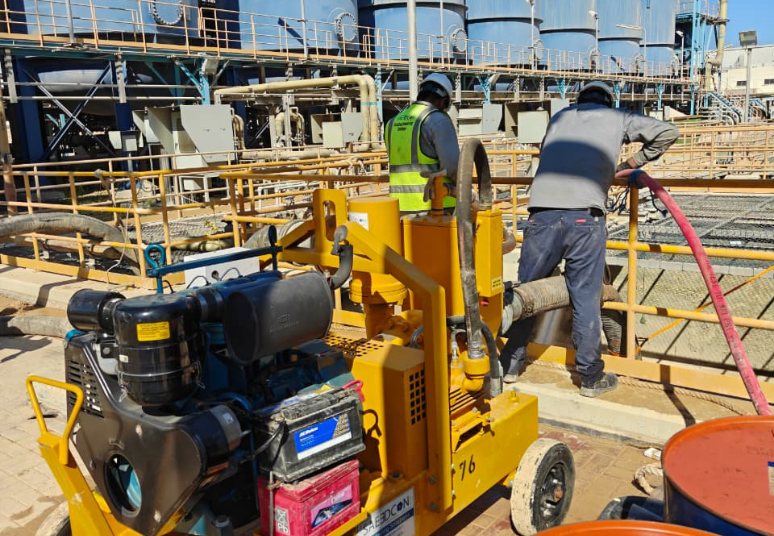
A construction pump needs regular attention throughout its time on site. Changes in flow, leaking connections, damaged cables or unusual vibration can require action before they interrupt the work.
Regular dewatering pump maintenance combines routine observations, recorded operating information and scheduled servicing. The checklist should match the actual pump, its power source and the conditions in which it operates.
For projects in Jubail, Dammam and across Saudi Arabia, a clear inspection routine also helps contractors agree who checks the equipment and who responds when a problem appears.
Plan Inspection and Servicing Around Site Operations
Identify which observations can be made safely during operation and which tasks require the unit to be stopped and isolated. Before planned downtime, coordinate the groundwater-control arrangements with the site supervisor.
Hands-on inspection, cleaning and repairs must follow the manufacturer’s isolation procedure and the site’s approved controls. Prevent automatic restart, release pressure where required and allow hot equipment to cool before opening components.
Electrical tests and repairs belong with qualified personnel. Follow the operating manual for the specific dewatering pump and engine; daily observations do not replace the prescribed service schedule.
1. Inspect the Pump’s Condition and Surroundings
Look for visible leaks, damaged guards, loose or missing components and changes in the unit’s position. Check that access remains clear and that the pump has the ventilation or cooling conditions required by its design.
Observe unusual noise, vibration, odour or alarms from a safe position. Treat significant abnormal operation through the site’s fault-response procedure and the manufacturer’s instructions, including stopping and isolating defective equipment when required.
Record when the change started and what the pump was doing. This information helps the technician investigate the problem.
2. Check Flow and Groundwater-Control Performance
Record the flow and operating readings available on the installation. Compare them with the agreed operating condition and previous records, while noting changes to the excavation or discharge arrangement.
Where groundwater monitoring is specified, record the designated observation-point readings as well. Pump operation and groundwater response provide different pieces of information about the system’s performance.
A lower flow reading needs investigation in context. Changes in available water, discharge resistance, blockage or equipment condition can all affect output. Ask the responsible specialist to assess the cause before changing pump speed or the system layout.
3. Review Hoses, Connections and the Inlet Arrangement
Include the suction and discharge arrangement in your dewatering pump maintenance routine. Inspect accessible hoses and connections for visible leakage, damage, kinks or crushing, using the approved inspection method.
For surface suction pumps, air leaks or a damaged suction line can interfere with pumping. For submersible pumps, debris around the intake or strainer can restrict performance.
Arrange cleaning or repairs after the required shutdown, isolation and pressure release. Keep hands and tools away from running inlets and moving components. Any changes to strainers, priming arrangements or pipework should follow the manufacturer’s instructions and site design.
4. Complete the Checks Applicable to Diesel Pumps
Use the engine and pump manuals to identify the daily checks for the installed model. Depending on the equipment, these may include:
- Engine oil level and visible fluid leaks.
- Fuel availability and signs of contamination.
- Coolant level, checked under the specified cooled-engine conditions.
- Air-filter restriction indicators and cooling-air access.
- Hour-meter readings and upcoming service requirements.
Some units also have separate lubrication or coolant requirements for the mechanical seal, vacuum pump, compressor or gearbox. Apply only the checks relevant to the components fitted.
Use the specified fluids and quantities. Never remove a hot, pressurised cooling-system cap.
5. Inspect Electrical Cables and Automatic Controls
For electrically driven and submersible pumps, include accessible cable condition, routing and control-panel indications in the inspection record.
Report cuts, crushing, damaged insulation, loose connections or abnormal alarms through the approved procedure. Electrical faults require safe isolation and assessment by qualified personnel.
Where fitted, float switches and level sensors need to function as intended. Observe operation using the approved checking procedure and arrange any cleaning, adjustment or functional testing through authorised personnel.
Avoid repeatedly resetting a tripped protection device. The cause needs investigation before the unit returns to normal service. Maintain the model’s specified operating-water-level and cooling requirements.
6. Maintain Records, Handover Details and Service Dates
Good dewatering pump maintenance records connect an observation with a clear action. Identify the pump, date, inspection time, readings, fault description and person responsible for follow-up.
During handover, communicate outstanding defects, planned servicing, available fuel or power, and the status of any standby arrangement. Confirm who should be contacted if pumping performance changes.
For rented equipment, agree which checks the site team performs and which tasks the supplier handles. Include arrangements for reporting faults, authorising repairs and providing replacement equipment where agreed.
A Practical Daily Inspection Record
| Record field | Information to enter |
| Equipment identification | Pump model, serial number or site asset ID |
| Inspection details | Date, time and inspector |
| Operating information | Running hours, flow and relevant gauge readings |
| Groundwater monitoring | Specified observation-point readings, where required |
| Visible condition | Leaks, hoses, guards, cables and unusual operation |
| Power and fluids | Applicable fuel, oil, coolant and supply observations |
| Controls | Alarm indications and approved control checks |
| Follow-up | Fault reference, responsible person, action and completion status |
Adapt the record to the equipment manual and site operating plan. The required inspection frequency may be greater than once daily where the application or manufacturer’s instructions require it.
Keep Scheduled Servicing in the Maintenance Plan
Daily checks help identify changes, while scheduled servicing addresses the tasks prescribed for the pump and its driver.
Oil changes, filter replacement, seal inspections, electrical testing and wear-component checks need their own planned intervals. Use the applicable manuals and operating conditions to establish the schedule; one interval does not suit every pump.
Keep service records with the equipment history. When a pump is redeployed or returned from storage, complete the relevant recommissioning checks before normal operation resumes.
Discuss Your Pump Requirements with Saeedcon
Saeedcon Dewatering Solutions provides diesel, electric and submersible pumping options, wellpoint and deep well systems, and equipment for rental and purchase in Saudi Arabia.
Include dewatering pump maintenance responsibilities in your rental enquiry. Share the pumping duty, water conditions, expected operating hours, project duration and available power so the quotation can address equipment and support requirements.
Contact Saeedcon to discuss your project and confirm the inspection, servicing and fault-response arrangements included in the proposed supply.
Frequently Added Questions:
How often should a construction dewatering pump be checked?
Follow the equipment manual and site operating plan. A daily or shift inspection can organise routine observations, while some conditions require more frequent checks or continuous monitoring. Scheduled servicing remains a separate requirement.
Should engine oil be changed every day?
A daily oil-level check and an oil change are different tasks. Change intervals, oil grades and quantities depend on the engine manufacturer’s instructions and operating conditions. Record running hours to plan the required service.
Does reduced flow always mean the pump is damaged?
No. Available water, suction conditions, hose restrictions, discharge head and equipment wear can all influence output. Record the symptoms and have the system assessed before changing its settings or arrangement.
Who maintains a rented dewatering pump?
Responsibilities depend on the rental agreement. Confirm who performs routine checks, supplies consumables, carries out scheduled servicing and handles faults or replacement equipment. Keep those responsibilities and contact details available to the site team.